
Last Updated on 22 March 2026

Germany is a country of fascinating contrasts, where 16 federal states each maintain their own unique traditions and mindsets. Whether you’re drawn to the laid-back maritime vibe of the north or prefer the alpine scenery of the south, every region offers a distinctive setting for your language adventure. In this guide, you’ll discover why regional diversity is an advantage and why you don’t need to worry about dialects when learning German.
Regional Mindsets at a Glance
Each region in Germany has its own rhythm and character. That’s what makes settling in so exciting, as you’ll experience a completely different side of German culture depending on where you study. Here’s a quick overview of what to expect across the country:
| Region | Mindset | Known for… |
|---|---|---|
| North (e.g. Hamburg, Hanover) | Direct, honest, cool-headed | Maritime flair, openness, clear communication |
| East (e.g. Berlin, Dresden) | Quick-witted, dynamic, shaped by history | Creativity, affordability, neighborhood culture |
| West (e.g. Cologne, Frankfurt) | Sociable, open, international | Carnival, economic hubs, warm atmosphere |
| South (e.g. Munich, Freiburg) | Tradition-oriented, pleasure-loving | Alpine views, high quality of life, beer garden culture |
Pro tip: If you’re looking for maximum diversity, Berlin Mitte is the perfect place to meet people from all 16 federal states in one city.
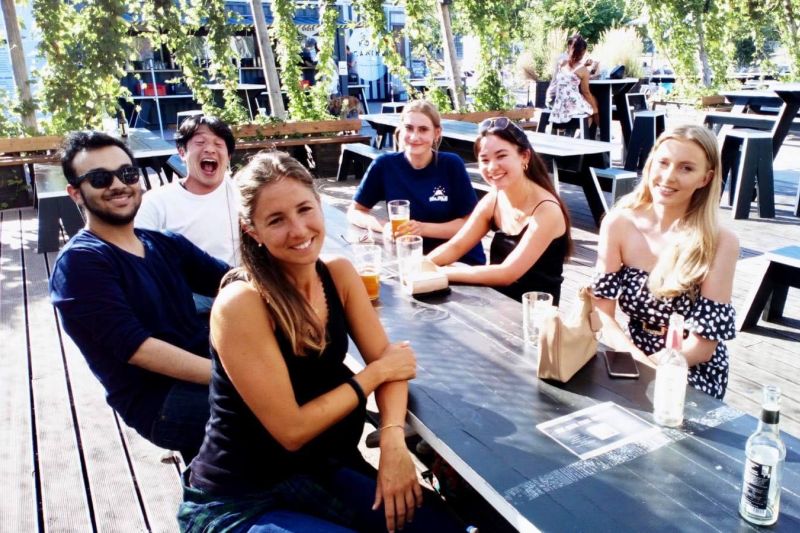
International language students learn German in Berlin and experience the language in everyday life through shared activities and relaxed conversations.
Dialect Myth: Why You’ll Learn “Proper” German Everywhere
Many language learners worry at the beginning that in Bavaria they’ll only hear “Bavarian” or in Saxony only “Saxon.” But we can reassure you: in today’s professional and academic world, Standard German (Hochdeutsch) is the clear norm.
- Standardized teaching: At all our locations, we teach exclusively in Standard German.
- Mobility: In cities like Frankfurt am Main or Munich, so many people come from different regions that dialects hardly play a role in everyday life.
- Academic environment: In university cities like Heidelberg or Regensburg, Standard German is spoken almost everywhere, on campus and in cafés.
Whether you choose German courses in Austria, for example in Vienna or Innsbruck, or decide to stay in Germany, the grammar and pronunciation you learn with us will be understood across the entire German-speaking world.
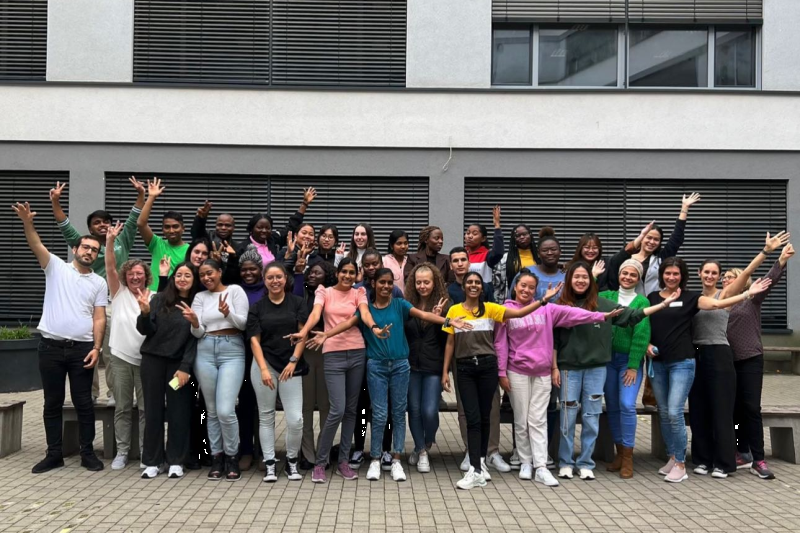
Learn German in Heidelberg: international language students in class
Spoilt for Choice: Which Type Are You?
To help you find the perfect place for your time in Germany or Austria, we’ve put together a simple checklist. Before booking, think about what matters most to you in everyday life:
1. Urban lifestyle or historic charm?
- Big city vibe: Hamburg, central Munich, or Frankfurt are perfect for you.
- Historic charm: Cities like Dresden, Salzburg, or picturesque Freiburg truly stand out.
2. Mountains or water?
- Alpine lovers: Take a look at our programs in Innsbruck or at Munich’s Spitzingsee.
- Water enthusiasts: Hamburg (Elbe/Alster) or our summer camps like Berlin Blossin by the lake are hard to beat.
3. Focus on career or lifestyle?
- Business & networking: Frankfurt’s financial hub or innovative Munich are ideal choices.
- Nature & relaxation: Sunny Freiburg or charming Regensburg offer a high quality of life with a more relaxed learning pace.
Programs for Every Age Group
This cultural journey of discovery isn’t just for students or professionals. We place great importance on helping younger learners experience Germany at its best, too.
For our youngest participants, we offer specialized summer courses for children. Locations such as Augsburg, Frankfurt am Main, or Vienna Kids are carefully selected to provide a safe and inspiring learning environment. While teenagers explore the capital in programs like Berlin Full-Time, younger learners enjoy an almost storybook-like atmosphere in Munich Kastell.
Conclusion: Language Connects Diversity
In the end, it doesn’t matter whether you call your bread roll a “Rundstück” in Hamburg, a “Schrippe” in Berlin, or a “Semmel” in Munich, as long as you speak the language with confidence. Germany and Austria offer a cultural depth that goes far beyond any textbook.
Are you ready to start your own Germany chapter?
Here you can find more information about our locations and programs:
- German courses for adults – our complete overview for Germany and Austria.
- Language camps for children and teenagers – fun, games, and German during the holidays.
- 16 German federal states: a journey through Germany – learn more about Germany’s regions.


