

Last Updated on 12 February 2026

The morning ritual: Why Germans celebrate their breakfast
In Germany, breakfast is the anchor point of the day. While in many countries a quick espresso on the go is enough, here people take their time. It is a moment to recharge your batteries and especially at the weekend an important social interaction. Whether it’s a leisurely family breakfast on Sunday or a quick but high-quality roll during the week, breakfast serves as the foundation for a productive day.
‘Breakfast like an emperor, lunch like a king and dinner like a beggar.’ – This old German proverb shows the importance of the morning in German culture.
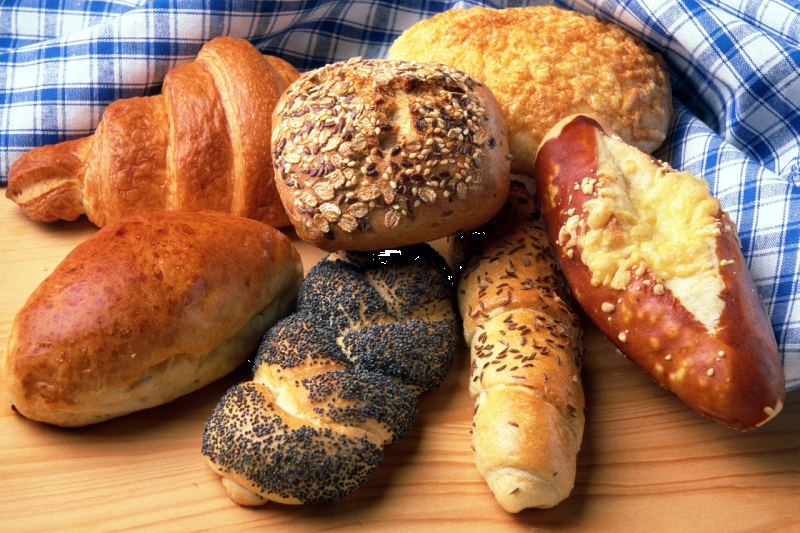
The basis of every breakfast: a selection of typical German bread rolls, from wholemeal to pretzel rolls. Image from Pixabay
The basics: German bread culture and the art of bread rolls
If there is one thing that sets Germany apart from the rest of the world, it is bread. With over 3,000 registered types of bread, the choice is almost endless. A typical breakfast is not complete without artisan baked goods.
- The classics: Crispy wheat rolls (called ‘Semmeln’ in Bavaria and ‘Schrippen’ in Berlin), wholemeal rolls with grains or hearty rye bread.
- The experience: For many Brits, the smell of fresh rolls straight from the baker around the corner is part of the perfect start to the day.
- Quality counts: In contrast to industrial toast bread, Brits value a firm crust and a fluffy interior.
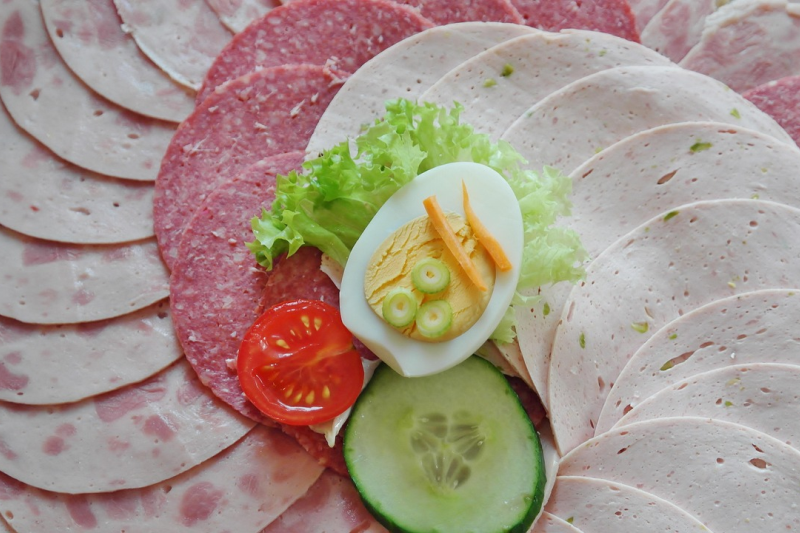
Selection of cold cuts with egg and vegetables. Typical example of a German breakfast or evening meal. Image from Pixabay
Savoury variety: sausage, cheese and traditional cold cuts
For many international guests, it is unusual to eat savoury foods in the morning. However, the ‘sausage platter’ is a centrepiece of German tradition. The selection reflects the regional diversity of the country:
- Cold cuts & ham: From fine salami to cooked ham to spicy Black Forest ham.
- Spreadable: Liver sausage is particularly popular, as is Mett (spiced minced pork) in the north, often garnished with fresh onion rings.
- Cheese variety: Whether mild Gouda, nutty Emmental or a strong mountain cheese from the Alps – cheese is a must on any breakfast table.
Sweet temptation: From golden honey to nut nougat cream
Despite our love of savoury foods, we mustn’t neglect the sweet side of life. A ‘sweet breakfast’ is particularly popular with children and those with a sweet tooth. Great care is often taken to ensure that the base (the bread and butter) is perfectly spread before the toppings are added.
- Homemade jams: Strawberry, apricot and sour cherry are the undisputed favourites.
- Regional honey: Whether forest honey or rapeseed honey, the quality straight from the beekeeper is highly valued.
- The modern classic: Nut nougat creams have firmly established themselves on the German breakfast table and are now an indispensable part of it.
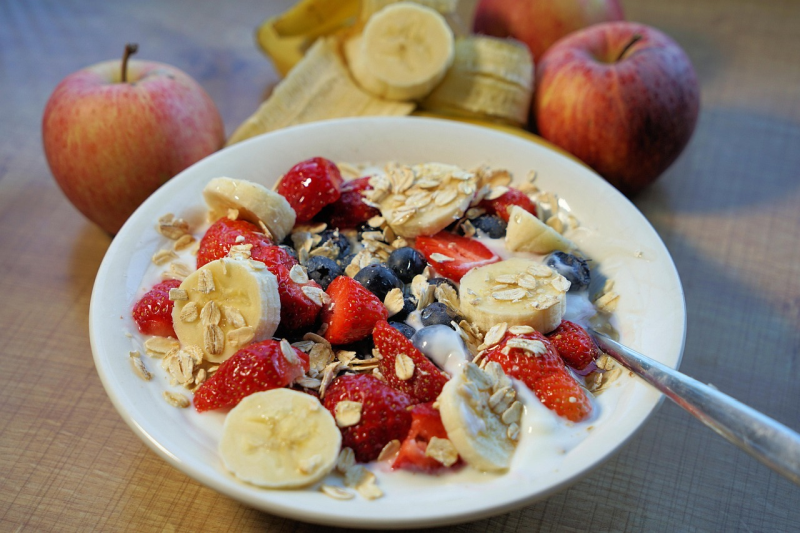
Muesli with yoghurt, oatmeal and fresh fruit. A popular breakfast for a healthy start to the day. Image by Pixabay
Fit and healthy: muesli, yoghurt and the healthy trend
The trend towards conscious eating has long since arrived in Germany. Many young people are replacing heavy bread with a bowl.
- Muesli: Oat flakes form the basis, combined with nuts, seeds and dried fruit.
- Fresh kick: Yoghurt or quark with seasonal fruit such as apples, berries or pears provides vitamins and proteins.
- Bircher muesli: This originally Swiss tradition is now an integral part of every good German hotel breakfast.
The highlight of the weekend: a hearty brunch
At the weekend, Germany slows down a gear. Late breakfast and early lunch often merge into brunch. This is a popular social event, especially in cities.
- People meet in cosy cafés or invite friends to their homes, where the table is even more lavishly set than usual.
- In addition to the classics, brunch often includes hot dishes such as scrambled eggs with bacon, small sausages or pancakes.
- People often use this time to sit together for hours, often accompanied by a glass of sparkling wine or freshly squeezed juices.
Coffee or tea? The perfect accompaniments
No English breakfast is complete without the right hot drink. While filter coffee dominated the scene for a long time, coffee culture has changed significantly.
- Pick-me-ups: Today, cappuccino and latte macchiato are just as popular as the classic ‘cup of tea’.
- Tea culture: Tea has a long tradition, especially in the north (East Frisia). Herbal and fruit teas are also popular everywhere as healthy alternatives.
- Fresh juices: A glass of orange juice or a regional apple juice spritzer rounds off the menu.
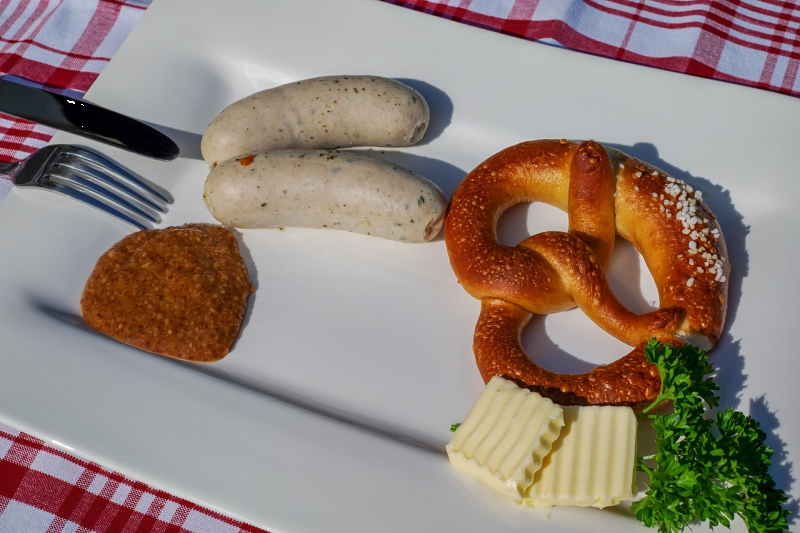
Weißwurst breakfast with pretzels, sweet mustard and butter. A typical speciality of Bavarian cuisine in Germany. Image from Pixabay
Regional specialities: a culinary road trip
Did you know that breakfast in Munich can be very different from breakfast in Hamburg? Germany is a country of regional delicacies.
- In the south (Bavaria): The ‘Weißwurstfrühstück’ (white sausage breakfast) is legendary here – consisting of white sausages, sweet mustard and a freshly baked pretzel (before 12 noon, of course!).
- In the north: Smoked fish, crabs or a hearty crab sandwich are not uncommon here.
- In the west: Here, people often love traditional Bergischer Stuten (a sweet bread) or hearty potato pancakes.
FAQ: Everything you need to know about the German breakfast
1. What is the difference between an everyday breakfast and a Sunday breakfast?
2. Do Germans really eat sausage every morning?
Not everyone, but it is a deep-rooted tradition. Nowadays, however, there is a strong trend towards vegetarian and vegan alternatives. Hummus, avocado spreads and plant-based cheese can now be found on almost every German breakfast table.
3. Why are eggs so important in a German breakfast?
The ‘breakfast egg’ is a classic. It is usually served soft-boiled so that you can dip the yolk in a piece of bread roll. But scrambled eggs with herbs or bacon are also an absolute bestseller, especially in cafés.
Conclusion: An experience for all the senses
The typical German breakfast is a declaration of love for craftsmanship and regional diversity. It offers the perfect blend of energy, enjoyment and tradition. Whether you prefer a savoury breakfast with sausage and cheese or a sweet version with jam, every day in Germany starts with a culinary highlight. Immerse yourself in this world and be inspired by how much joy a simple morning moment can bring!
And what’s on your table?
Are you more of a savoury person who likes sausage and cheese, or a sweet person who likes jam? And what is the typical breakfast in your home country? Write it in the comments below. We look forward to hearing your culinary stories!


